
What to Include in a CNC Machine RFQ: A Workpiece-First Checklist
A practical workpiece-first checklist for preparing a CNC or custom machine request, reducing assumptions and comparing technical proposals on the same basis.
A practical workpiece-first checklist for preparing a CNC or custom machine request, reducing assumptions and comparing technical proposals on the same basis.
Short answer: choose a drilling, tapping and milling machine from the workpiece and process route—not from a model name alone. The right starting data are the part drawing, material, hole and thread details, tolerance, target output, loading method and available floor space. With those facts, a supplier can compare a dedicated tapping machine, a compound machine and a CNC machining center against the same production requirement. This guide gives manufacturing engineers and sourcing teams a practical way to prepare that comparison before requesting a quotation. Start with the workpiece, not the machine A useful equipment inquiry describes what must be produced and how success will be measured. Before comparing machines, collect: the latest workpiece drawing or clear photos; material and current blank condition; overall dimensions, clamping surfaces and datum strategy; hole diameters, thread sizes, depths and positional requirements; all required processes, including drilling, tapping, milling, chamfering or boring; critical tolerances and inspection method; target pieces per hour or required cycle time; annual volume, batch size and expected model changeovers; manual, semi-automatic or automatic loading expectations; destination country, power supply and available installation space. If these inputs are incomplete, two suppliers may quote very different machines because they are solving different versions of the job. A clear technical brief makes price, capacity and risk comparisons more meaningful. Match the process route to the machine type Machine route Best fit Questions to check Dedicated drilling or tapping machine Stable parts with a limited process sequence and straightforward fixtures Can one spindle and one setup meet the required output and thread quality? Compound drilling, tapping and milling machine Parts that benefit from combining operations or parallel spindle work Do spindle spacing, travel, tooling and clamping match the drawing? CNC drilling and tapping center More program variation, tool changes or geometry flexibility Are axis travel, tool capacity, spindle characteristics and control functions sufficient? Multi-spindle or custom automation High-volume production where cycle time, loading and process balance dominate Is the projected volume stable enough to justify dedicated tooling and automation? Browse Yueli’s drilling, tapping and milling equipment, tapping machines and CNC machining centers to see the main equipment routes before narrowing the configuration. Seven checkpoints for a defensible machine comparison 1. Confirm the processing envelope Check every relevant dimension against the proposed configuration: axis travel, distance from spindle to table, fixture height, tool approach, clearance for clamps and safe chip evacuation. Nominal part dimensions alone are not enough because the fixture, toolholder and loading motion also consume space. 2. Separate spindle speed from usable cutting performance Maximum spindle speed is only one input. Material, tool diameter, thread size, cutting method, torque and duty cycle determine whether the spindle is suitable. Ask the supplier to explain the proposed cutting data and tool choice for your part instead of comparing a single rpm number. 3. Review drilling and tapping depth carefully Through holes, blind holes and deep holes create different chip-control and tool-life demands. For tapping, identify the thread standard, pitch, effective depth and whether rigid tapping is required. If several hole types share one setup, the tool sequence and cycle balance should be reviewed together. 4. Evaluate process combination and spindle arrangement A compound machine can reduce handling when drilling, tapping and milling can be completed in one fixture. A dual-spindle layout may also improve process balance for a suitable part. For example, Yueli’s Dual Spindles Drilling, Tapping and Milling Compound Machine lists a 320 mm X-axis screw travel, NT30 spindle taper, 115 mm drilling and tapping stroke, 120 mm spindle spacing and a 32 mm maximum processing diameter in the published catalog data. These values are useful screening inputs, but final suitability still depends on the drawing, fixture and required operations. 5. Compare cycle time as a complete system Cycle time should include loading, clamping, tool approach, cutting, retracting, indexing, unloading and any inspection step. A fast cutting cycle can still deliver poor output if manual handling or chip clearing becomes the bottleneck. Ask for the assumptions behind a cycle estimate and identify which items must be proven in a workpiece trial. 6. Plan for changeover, tooling and maintenance High-mix production often values repeatable setup and program flexibility more than the absolute shortest cycle. Review fixture change time, tool access, parameter storage, operator skill requirements and access for routine maintenance. For ongoing care, see the guide to drilling and tapping machine maintenance. 7. Define acceptance criteria before ordering Agree on how the machine will be evaluated. Typical acceptance items include processed sample dimensions, thread gauges, surface requirements, cycle-time conditions, continuous-run duration, safety checks, included tooling and the documentation supplied with the machine. Measurable acceptance criteria protect both buyer and supplier from ambiguous expectations. A practical request-for-quotation checklist Send the following information in one package: workpiece drawing, 3D file if available, and photos; material specification and blank condition; process list with critical dimensions and tolerances; current process route and known production problems; target output, working hours and batch pattern; loading, unloading and automation preference; inspection requirements and acceptance method; factory power, air supply, floor-space and destination details; requested delivery window, training and after-sales expectations. You can compare available models in the Yueli equipment catalog. If the application does not fit a standard model, provide the same technical package for a custom automation review. Frequently asked questions When should I choose a compound machine instead of separate machines? A compound machine is worth evaluating when several operations can share one stable fixture and reduced handling improves consistency or throughput. Separate machines may remain preferable when processes require very different setups, the production mix changes frequently or independent capacity is more valuable. When is a CNC drilling and tapping center the better choice? A CNC center is often a stronger candidate when the part family needs programmed position changes, multiple tools, broader geometry flexibility or frequent model changeover. Confirm the travel, spindle, tool system, control functions and fixture envelope against the full part family. What information is needed for an accurate quotation? At minimum, provide the drawing

Proper maintenance is crucial for ensuring the longevity and accuracy of your drilling and tapping equipment. Follow this expert guide from Yueli Automation’s engineering team to keep your machines running smoothly.
Maintenance advice, machining and automation perspectives, equipment updates and company news organized around the questions manufacturers ask before investing.
Our content is being organized around real equipment selection, maintenance and production questions. Technical claims and application figures are reviewed before being expanded into new guides.
A practical starting point for routine inspection, lubrication, cleanliness and operating checks that support reliable machine use.
Read the guideThese five existing article entries remain available while titles, technical evidence and supporting photography are progressively reviewed.

Perspectives on custom automation and smart CNC systems for changing production requirements.
Read article
An existing application article retained for reference while performance figures and supporting evidence are reviewed.
View existing article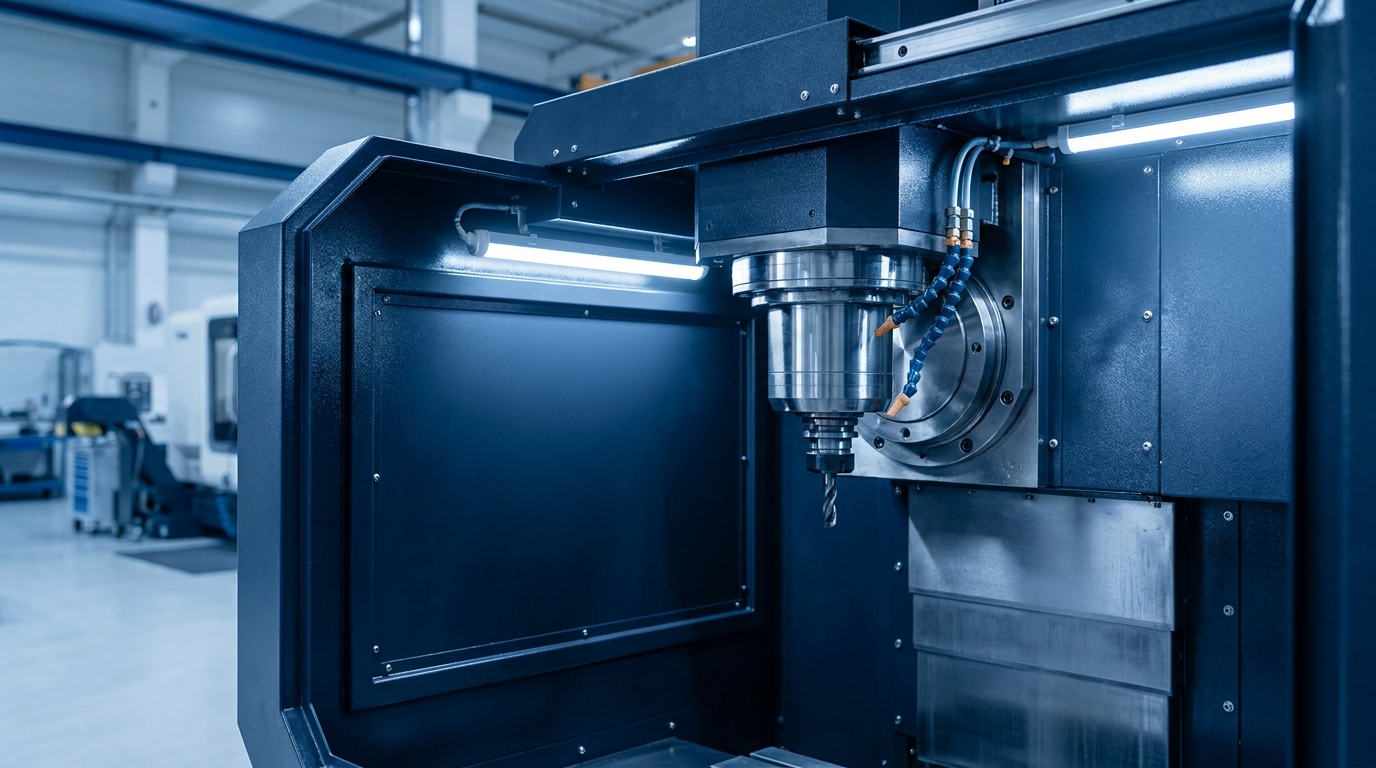
An overview entry for valve and sanitary-ware machining applications. Model-specific claims require product-sheet confirmation.
View existing article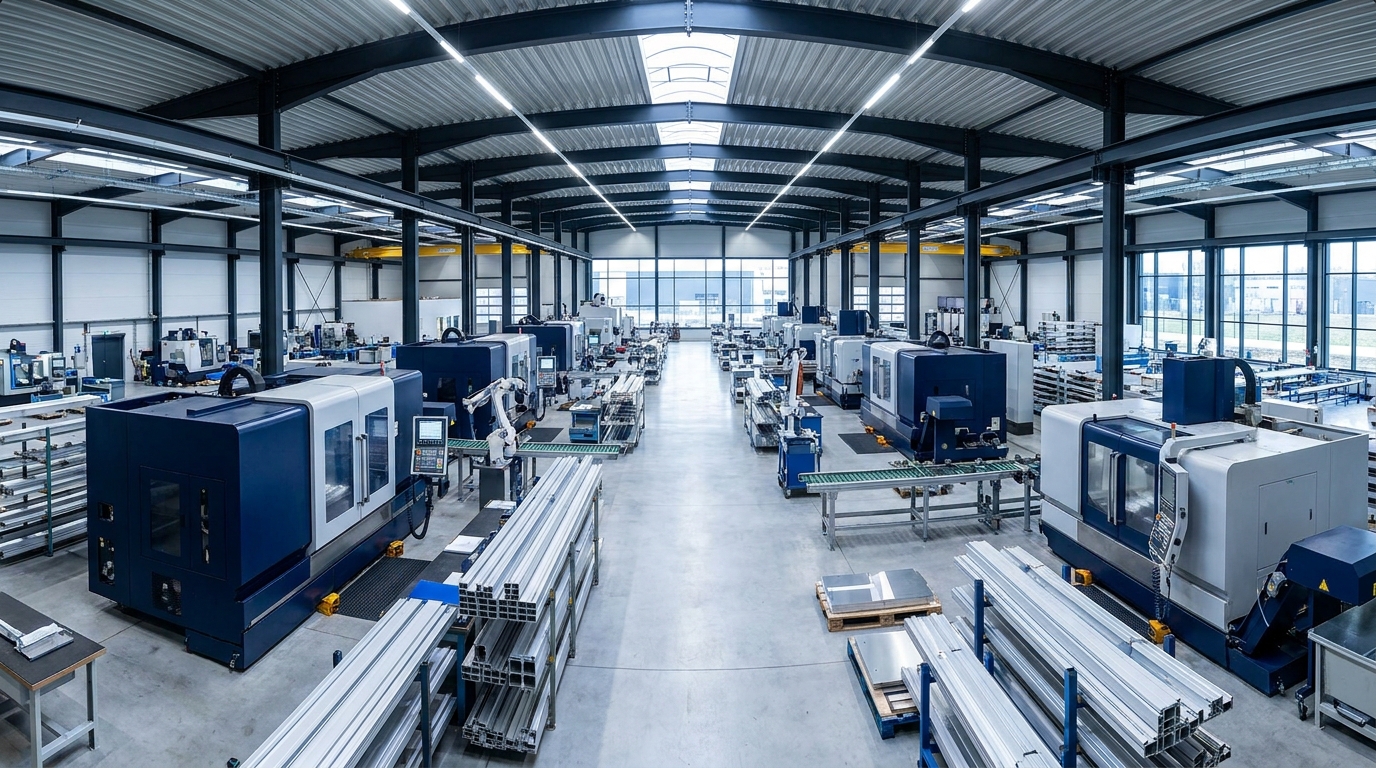
An existing company update retained while expansion and capacity statements are checked against internal records.
View existing articleReturn to the current maintenance guide for foundational checks and service planning.
Read articleCollect the workpiece drawing or photo, material, dimensions, required process and tolerance, target output and destination country.
Use the FAQ to check lead time, quotation validity, payment, installation, training, packing, warranty and after-sales support.
Visit the FAQSend your part information and production requirements for an engineering review.